
by Gideon Madzikatidze
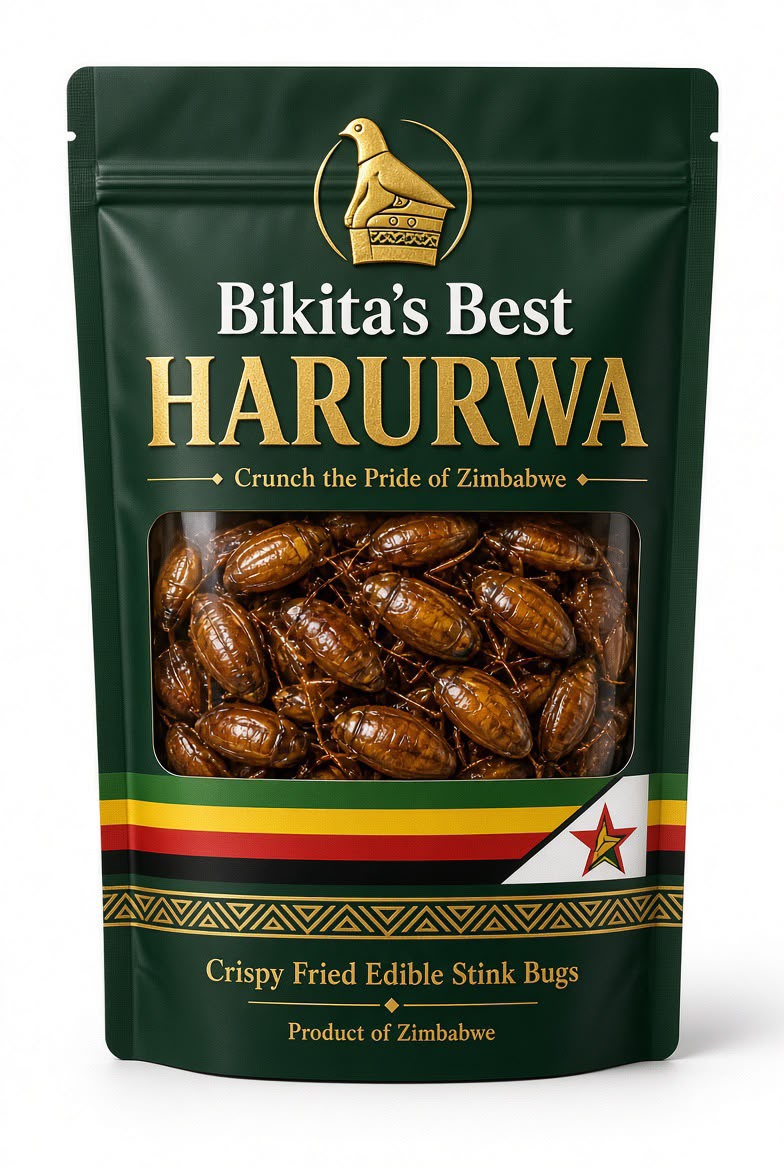
BIKITA – Tourism stakeholders are positioning Bikita district as Zimbabwe’s next must-visit culinary hotspot, with “paRoy” Business Centre and Nyika Growth Point emerging as anchor sites for authentic gastronomy experiences that blend indigenous foods, culture and rural economic empowerment. At the heart of the offering are grilled indigenous birds and the prized edible insect harurwa – Encosternum delegorguei – a delicacy found almost exclusively in this corridor stretching from Masvingo to Birchenough Bridge (Manicaland).
Speaking to journalists on the potential of gastronomy tourism towards the country’s economic revival prospects, Tourism and Hospitality Industry Minister, Honourable Barbara Rwodzi has emphasised that though clusters interwoven or complement each other, each province has an identical unique feature.
“Gastronomy tourism is about showcasing what makes each province unique. When we package our traditional foods and culinary heritage, we are giving tourists a taste of place,” Rwodzi said.
“This is how we differentiate Zimbabwe’s offering and drive product diversification under Vision 2030,” added Rwodzi.
“Food is culture and culture is tourism. When visitors come to experience our indigenous dishes, it creates direct opportunities for communities, especially women. It means more SME participation, more income retained locally, and it supports rural development through tourism,” she said.
The push aligns with the Ministry of Tourism and Hospitality Industry’s 13-cluster tourism product diversification strategy, where gastronomy tourism is being leveraged to drive community-based tourism, increase length of stay and support Vision 2030 targets.
Along the Masvingo-Mutare highway, vendors at paRoy have turned roadside stops into vibrant culinary touchpoints. Women and children hold dishes of grilled harurwa above their heads, calling out to travelers as buses pause for refreshments.
The insects are prepared in their natural form, grilled or fried without added fat, delivering a distinct flavor that visitors describe as uniquely Zimbabwean. A cup fetches US$1, with proceeds sustaining households in the drought-prone district and creating viable SME participation in the tourism value chain.
Beyond commerce, Bikita’s gastronomy offering is deeply rooted in cultural heritage and conservation. The Nerumedzo Sacred Forest, home to harurwa, is harvested seasonally from mid-March to August under traditional protocols that include rituals and the brewing of doro reharurwa.
Elders credit these beliefs with protecting the forest from deforestation, demonstrating how sustainable harvesting practices link ecosystem protection to livelihoods. For communities facing recurrent food insecurity, harurwa has historically served as a food security lifeline and today functions as a source of income that supports education and household resilience.
Tourism analysts note that packaging Bikita’s indigenous foods under the Gastronomy Cluster presents strong potential for destination branding and market segmentation.
By integrating culinary trails with heritage sites like Great Zimbabwe and sacred forests, the district can enhance visitor footfall, boost ancillary spend and strengthen B2B linkages with tour operators and DMCs. The model also advances de-seasonalisation by creating a year-round product tied to cultural calendars rather than peak travel periods.
With harurwa already sought after across Zimbabwe, Botswana, South Africa and Mozambique, Bikita is well placed to market itself as a culinary destination within Zimbabwe’s broader tourism portfolio.
As the Ministry continues to promote high-value experiential tourism, paRoy’s birds and harurwa illustrate how gastronomy can complement infrastructure development and drive inclusive growth.
For travelers seeking authentic taste of place, Bikita offers more than a meal as it offers heritage, conservation and community impact served on a plate.