
By Simbarashe Sithole
MUZARABANI — Chief Chiweshe Mukore Kore, born Matthew Chitemamuswe, has raised the alarm over rampant deforestation at Runga Mountain in Muzarabani, accusing tobacco farmers of cutting down trees to cure their crop at the expense of the environment and the area’s historical heritage.
A visit to the mountain by this publication revealed that trees were being cut down daily, raising concerns over the depletion of indigenous forests and the long-term environmental impact on the surrounding communities.
Chief Chiweshe said the destruction was particularly disturbing because Runga Mountain was regarded as a sacred site associated with Nyatsimba Mutota, the legendary founder of the Mutapa State.
According to Shona oral traditions, Nyatsimba Mutota led a migration from the Great Zimbabwe area towards the Zambezi Valley in the 15th century, establishing the Mutapa kingdom, which grew into an influential political and economic power in the region.
The kingdom’s rise was closely linked to control of trade routes and access to resources, including salt, gold and ivory. Its history remains an important part of Zimbabwe’s cultural heritage.
Chief Chiweshe said the mountain’s alleged historical connection to Mutota made its destruction unacceptable, calling on tobacco farmers to adopt sustainable methods of curing their crop.
“This mountain is sacred because Nyatsimba Mutota stayed here. It is part of our history and heritage, and we cannot allow people to destroy it through uncontrolled cutting down of trees,” the chief said.
He called on authorities to intervene and stop the indiscriminate harvesting of trees, warning that continued deforestation could leave the area environmentally degraded.
The Forestry Commission, Zimbabwe’s statutory body responsible for forestry management and conservation, has a mandate to protect forest resources, promote sustainable forestry practices, conduct research and advise the public on forest conservation.
The Forest Act also provides for the regulation of forest produce and the control of vegetation burning, placing forest protection and sustainable resource management at the centre of the country’s forestry framework.
Tobacco farming has been associated with pressure on indigenous forests because wood is widely used to cure the crop. Where firewood is harvested faster than trees can regenerate, forests become depleted, threatening biodiversity, soil quality and the availability of natural resources for future generations.
The Forestry Commission and other environmental stakeholders have promoted afforestation and sustainable forest management as ways of reducing pressure on natural woodlands.
Chief Chiweshe also accused a Forestry Commission officer operating in his area of corruption, alleging that the official was selling trees from the mountain and refusing to cooperate with traditional leadership.
“The officer has refused to work with me, and he is selling trees from this mountain. He is very corrupt,” Chief Chiweshe alleged.
The allegations could not be independently verified.
Forestry Commission spokesperson Violet Makoto said she was not aware of the case but promised to investigate the matter.
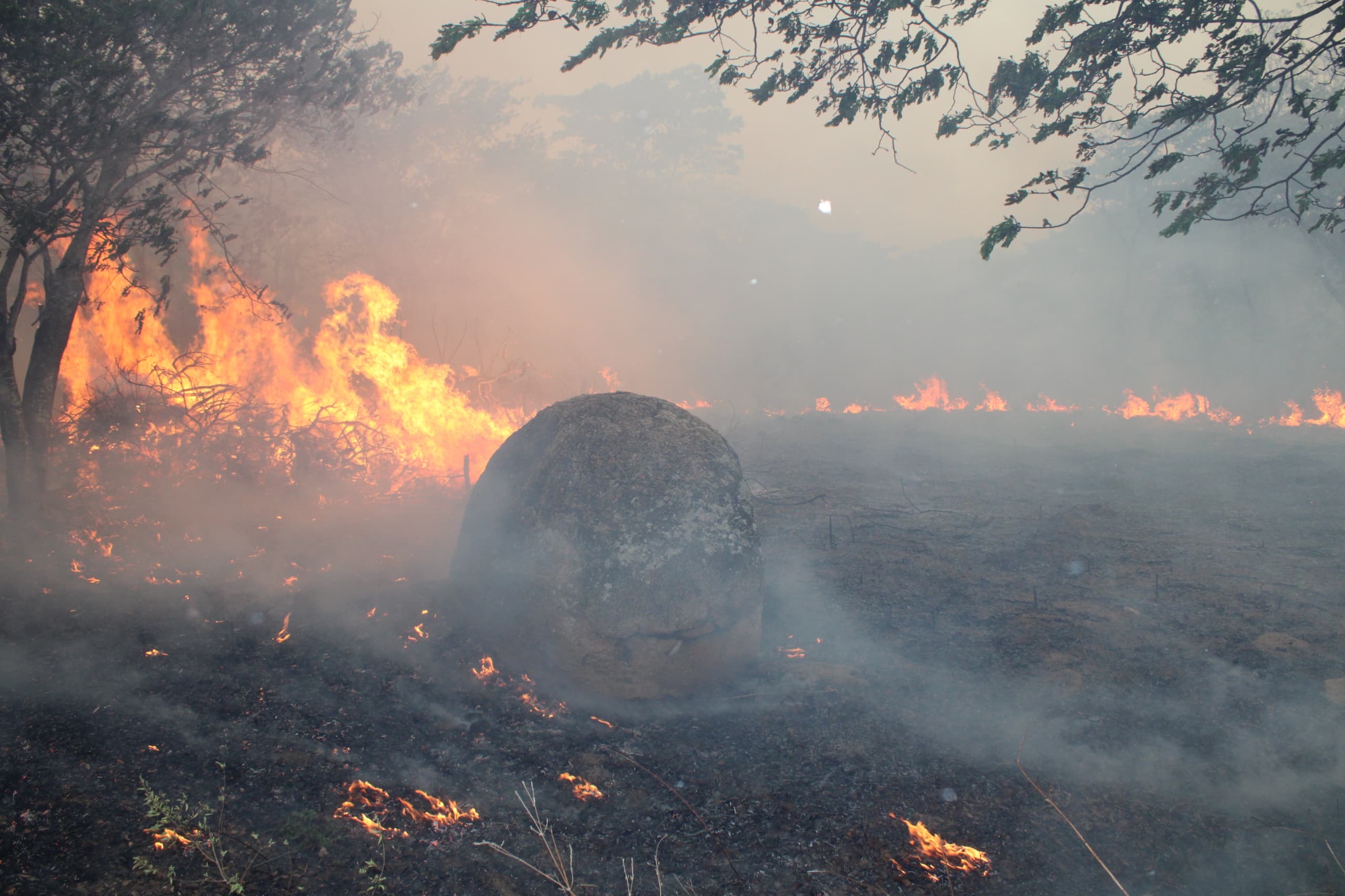
Meanwhile, Chief Chiweshe expressed concern over veld fires in his area, warning that uncontrolled burning posed another threat to forests, wildlife and livelihoods.
He urged farmers, traditional leaders, environmental organisations and government agencies to work together to prevent veld fires and protect the area’s natural resources.
The chief said protecting the environment was a collective responsibility that required communities to safeguard their heritage and natural resources for future generations.