
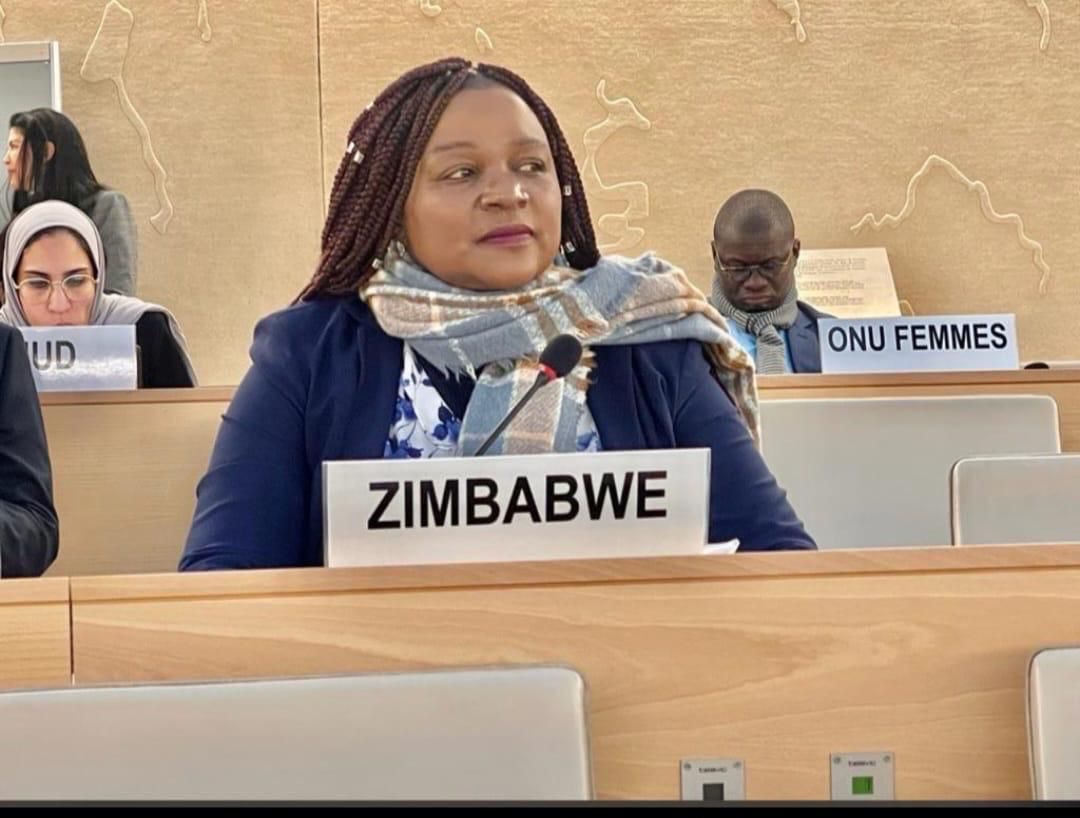
ATTORNEY-General Virginia Mabiza says the proposed abolishment of the Zimbabwe Gender Commission and its merger into the Zimbabwe Human Rights Commission is legally sound, efficient and necessary to strengthen the protection of rights.
Her remarks come amid growing debate, including calls by the Zanu PF Women’s League to reconsider the move, with concerns centred on the potential erosion of a dedicated focus on gender issues.
However, Mabiza firmly dismissed fears of weakened protections, insisting the reform is grounded in law and enhances institutional effectiveness.
“The legal advice from this Office is clear, unequivocal and constitutionally grounded: the Zimbabwe Human Rights Commission is already expressly mandated to protect all human rights, including every function currently performed by the Gender Commission. Gender equality and women’s rights are not peripheral add-ons; they are core, indivisible components of the national human rights framework. Transferring these functions creates no gap, no weakening, and no loss of legal protection,” she said.
She added that the reform represents a progressive step towards consolidating oversight and maximising limited resources.
“The advice therefore stands: this reform is lawful, efficient and forward-looking. It honours the Constitution’s promise to women and to every citizen by building a stronger, leaner, more effective guardian of rights. Zimbabwe deserves nothing less,” Mabiza said.
Mabiza further argued that merging the commissions would eliminate duplication and enhance enforcement capacity.
“Far from dilution, the merger delivers decisive gains: it eliminates costly duplication, ends fragmented oversight, and concentrates limited resources into a single, high-powered institution with greater authority, visibility and enforcement capacity,” she said.
She however, said the legislative process remains open to scrutiny.
“Substantive concerns about dedicated focus have been heard and they are respected. They are serious, they matter, and they will receive rigorous, open examination during the parliamentary hearings and debate now underway. Nothing in the Bill is cast in stone. Public input can — and will — refine the final architecture,” she said.
The developments follow Mabiza’s recent call for the public to rely on the officially gazetted Constitutional Amendment Bill to avoid misinformation, amid heightened debate over its implications for Zimbabwe’s governance and electoral systems.
“In the interest of ensuring accurate public understanding of the Constitution of Zimbabwe (Amendment No. 3) Bill… the public is advised to rely on the text of the Bill as officially gazetted on 16 February 2026 by the Honourable Speaker of the National Assembly, Advocate Jacob Mudenda.
“The Bill and the memorandum constitute the authoritative legal text outlining the proposed amendments and the rationale for those amendments, following Cabinet approval on 10 February 2026.
“The Bill proposes amendments to certain provisions of the Constitution, including sections 92, 95, 143 and 158. These provisions relate primarily to the framework governing the timing and conduct of national elections,” she said.
Mabiza noted that the proposed changes are intended to address structural issues within the electoral cycle.
“The proposed amendments are therefore directed at addressing issues relating to the national electoral cycle for the Presidency, Parliament and Local Authorities.
“Under the current constitutional framework, the duration of the Presidency and that of Parliament are linked through provisions that establish a harmonised electoral cycle,” she said.