
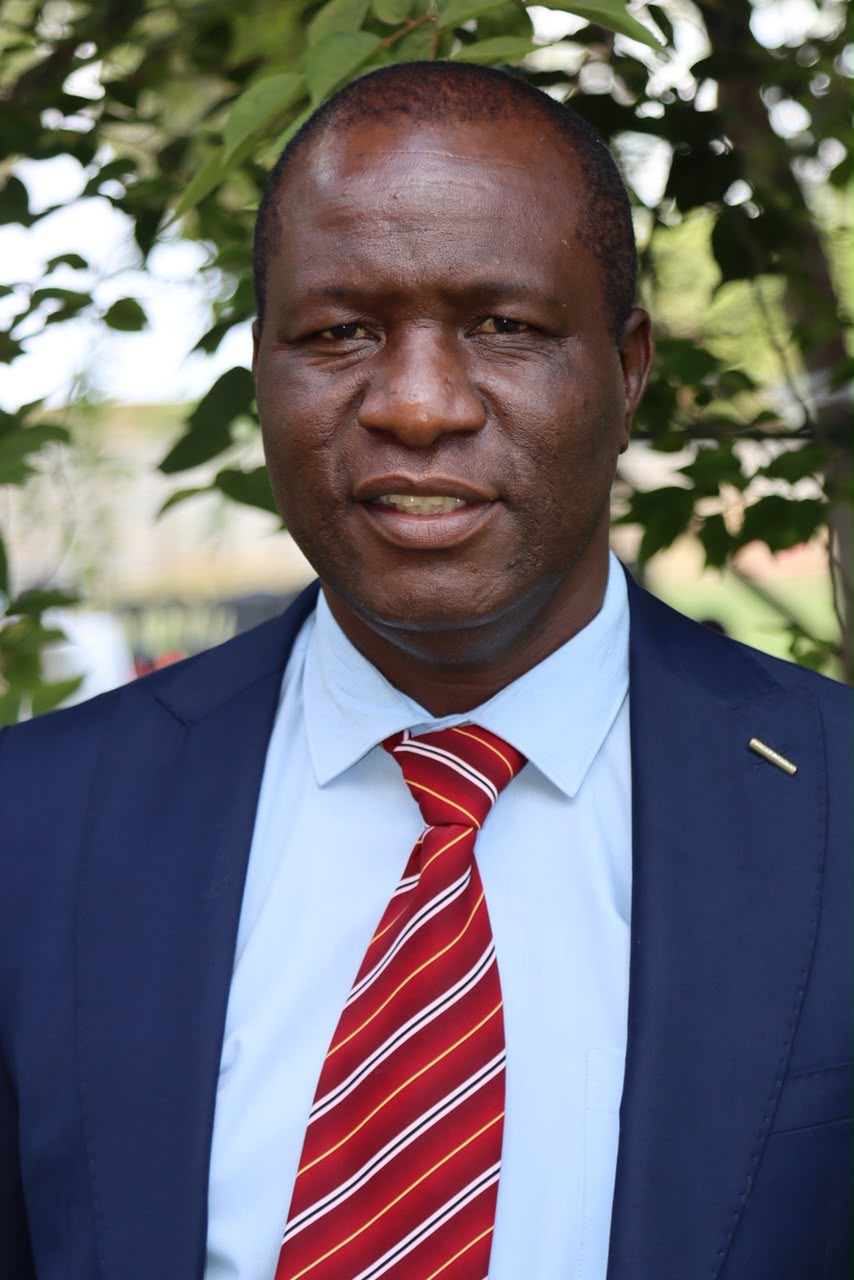
by Gideon Madzikatidze
HARARE – No-Shame November is not just a social campaign but a direct business challenge to a costly culture of silence undermining productivity, leadership and workplace stability.
Launched by Honourable Andrew Makahamadze, the movement says millions of men have been conditioned to equate manhood with silent endurance, a strength that rewards concealment over healing.
“I did not establish No-Shame November as a symbolic observance to be marked on a calendar and forgotten the following day, I established it as a global intervention for millions of men who have been culturally conditioned to equate manhood with silent endurance,” Makahamadze said.
For employers, that silence has a price. Men carrying fatherhood, financial pressure, disability, loss and trauma behind a facade of composure are less likely to seek help early, more likely to disengage, burn out and withdraw.
“We were raised with the universal proverb that a man does not cry, that vulnerability is weakness, yet the reality I have witnessed across continents and communities is that any man who is denied the right to cry is also denied the pathway to heal,” he said.
Built on profound blue for deep pain and pure white for dignity, No-Shame November tells business leaders that vulnerability does not cancel competence.
Its focus is the workforce itself: fathers questioning if they are enough, men with disabilities whose manhood is questioned, and brothers carrying invisible wounds while still providing and protecting.
When they break in silence, businesses lose experience, families lose stability and communities lose builders.
“I am not inviting you to a meeting. I am calling you to enlist in a worldwide brotherhood committed to restoring men, healing families and rebuilding communities through the courage to speak,” Makahamadze said.
The message is simple: healing is not charity, it is investment in human capital.
“There is no shame in deep pain. There is no shame in seeking help. There is no shame in healing,” he said.