
by Courts Reporter
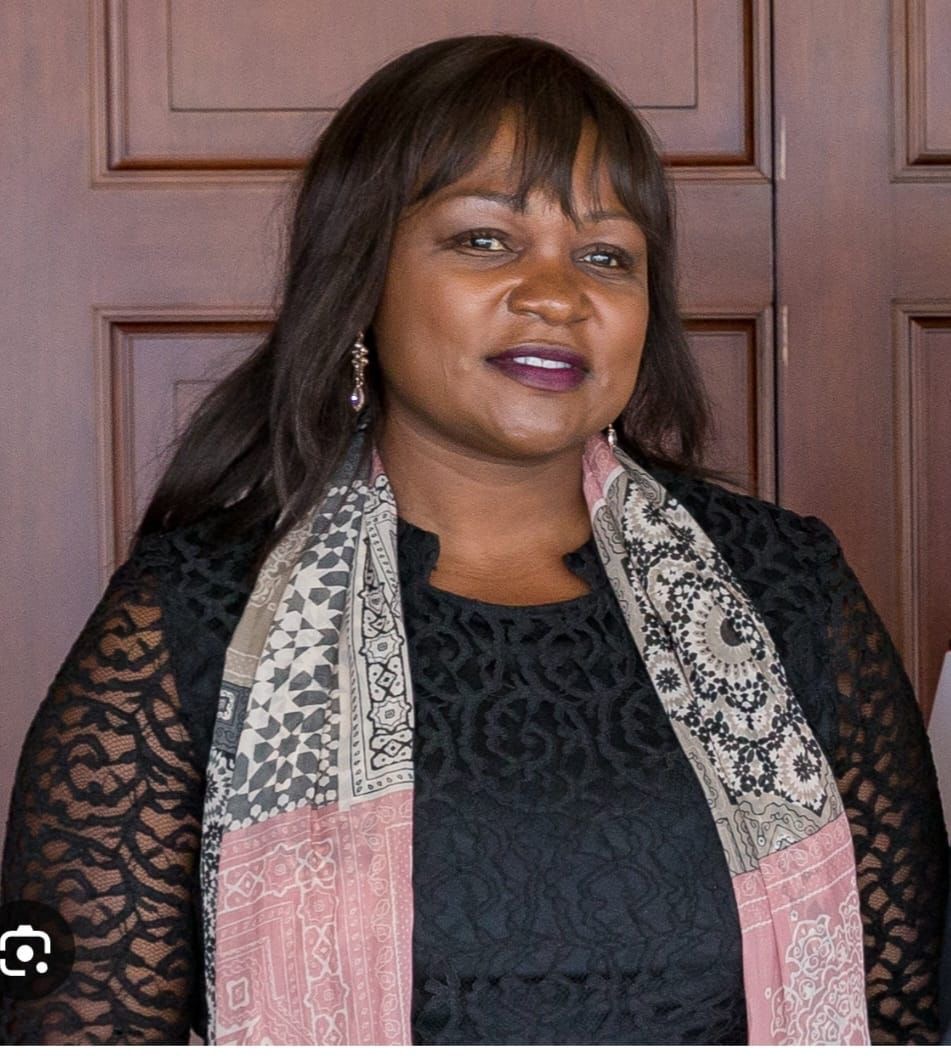
Attorney General, Virginia Mabiza, has clarified that the proposed Constitutional (Amendment Bill No 3, is aimed at strengthening institutions rather than benefiting office bearers.This comes amid public debate over the Bill’s proposed changes to the national electoral framework.
In a statement, Mabiza, said the Bill is institution-focused, aiming to strengthen the electoral framework and ensure continuity and efficiency in national governance, rather than serving individual office bearers.
“In the interest of ensuring accurate public understanding of the Constitution of Zimbabwe (Amendment No. 3) Bill, H.B. 1, 2026, the public is advised to rely on the text of the Bill as officially gazetted on 16 February 2026 by the Honourable Speaker of the National Assembly, Advocate Jacob Mudenda.
“The Bill and the Memorandum constitute the authoritative legal text outlining the proposed amendments and the rationale for those amendments, following Cabinet approval on 10 February 2026.
“The Bill proposes amendments to certain provisions of the Constitution, including sections 92, 95, 143 and 158.
“These provisions relate primarily to the framework governing the timing and conduct of national elections.”
Mabiza the Bill’s purpose is to provide a clear, official framework for how national elections are scheduled and conducted, rather than to alter leadership limits or confer benefits on those currently holding office.
“The proposed amendments are therefore directed at addressing issues relating to the national electoral cycle for the Presidency, Parliament and Local Authorities.
“Under the current constitutional framework, the duration of the Presidency and that of Parliament are linked through provisions that establish a harmonised electoral cycle.
“Section 95(2)(b) provides for the term of office of the Presidency within the electoral cycle, while section 143(1) provides for the duration and dissolution of Parliament.
“These provisions operate together with section 158, which governs the timing of general elections.”
Mabiza said the amendments are about synchronising the timing of elections for all key political offices, ensuring the system runs efficiently and predictably.
“In practice, these sections collectively regulate the periodic conduct of harmonised elections. It is important to note that section 95(2)(b) does not deal with or alter the constitutional provisions relating to presidential term limits, which remain governed by other provisions of the Constitution.
“The Bill proposes to amend section 95(2)(b) and section 143(1) by substituting the current five-year electoral cycle with a seven-year cycle, while maintaining the harmonised nature of elections for Parliament and Local Authorities as provided for under section 158.
“The Bill also contains transitional provisions to clarify the application of the proposed cycle in relation to the current electoral period.”
Here, she is clarifying that
The Attorney General added while the length of the electoral cycle may change, the amendments do not extend presidential terms or give any special advantage to incumbents. Instead, they formalise the process for future elections.
“Accordingly, the proposed amendments should be understood in the context of the structure and timing of the national electoral cycle, rather than as amendments to provisions relating to presidential term limits.
“These amendments are not designed to benefit office bearers but rather they reform institutions that automatically fall under the electoral cycle.
“Members of the public are therefore encouraged to refer directly to the gazetted Bill when considering the content and effect of the proposed amendments.”